


Does the kraft paper window bag employ high-precision die-cutting and robust heat-sealing processes to prevent the film from peeling or falling off?
Release Time : 2025-12-11
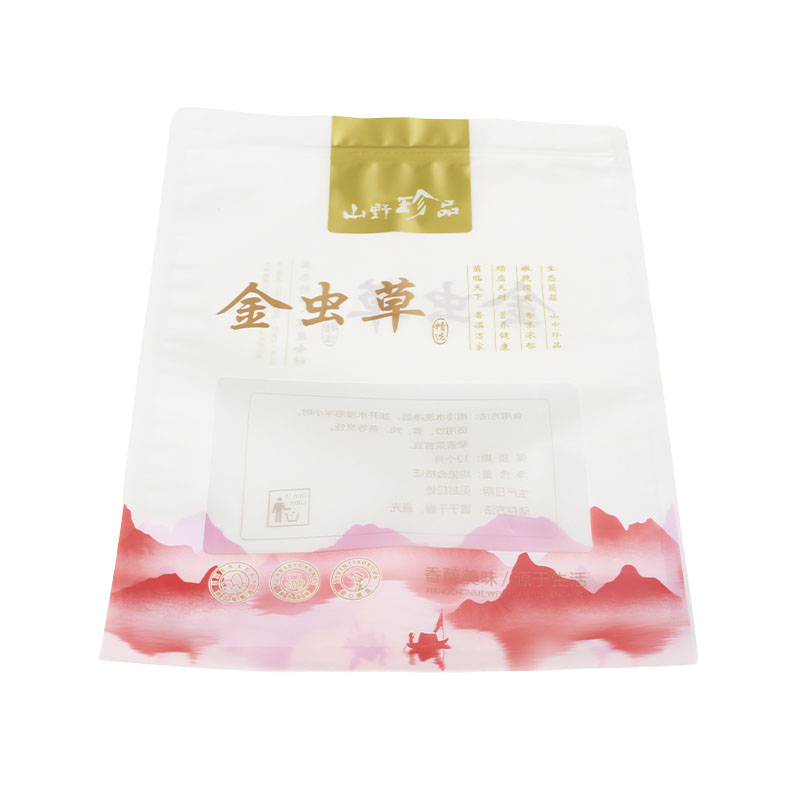
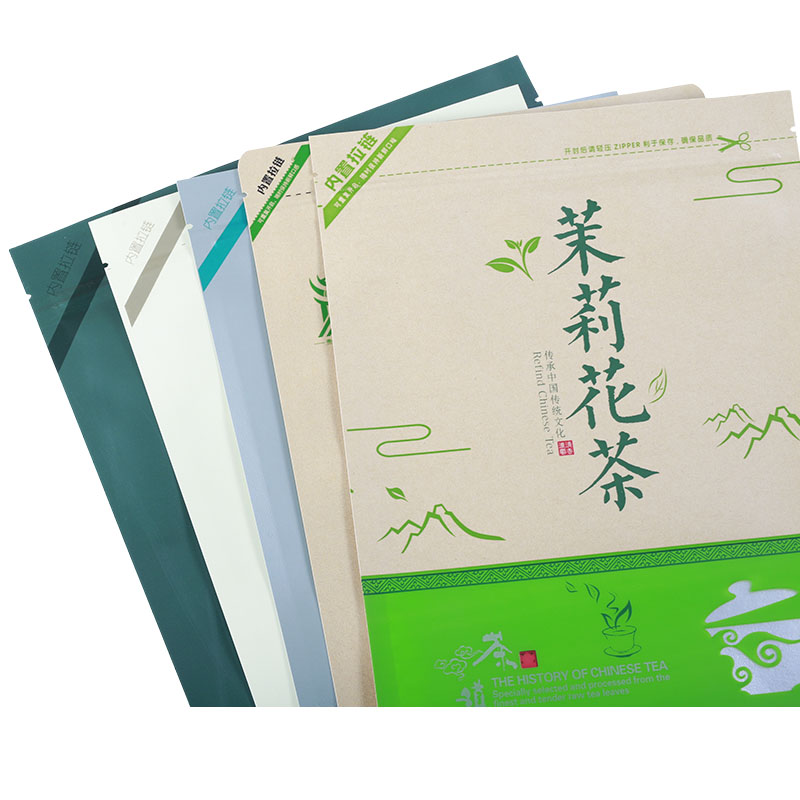
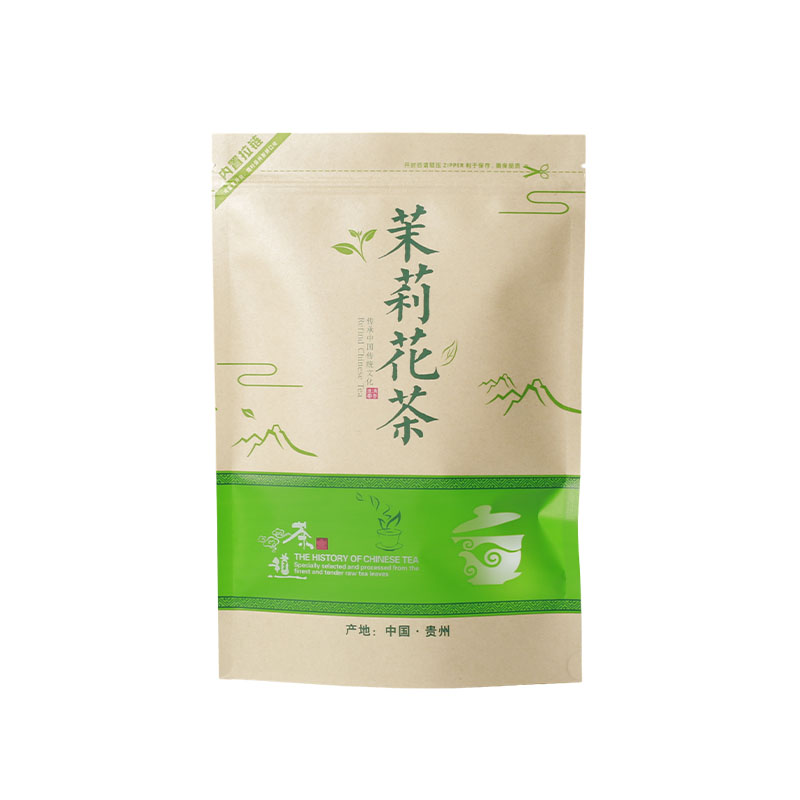
In modern packaging design, the kraft paper window bag, with its simple, natural aesthetic and practical functionality, has become an ideal medium for many brands to convey their environmental philosophy and product sincerity. Its classic structure—using yellow, white, or unbleached kraft paper as a base, with a transparent PET or PVC window embedded—retains the warm touch and biodegradable properties of the paper material while visually showcasing the packaged goods through the "visual" window, enhancing consumer trust. However, this seemingly simple combination actually places extremely high demands on the manufacturing process. Improper handling can easily lead to peeling, bubbling, or even detachment of the window film, affecting not only aesthetics but also the integrity and professionalism of the packaging. Therefore, high-precision die-cutting and robust heat-sealing processes are crucial to ensuring the quality of the kraft paper window bag.
Firstly, high-precision die-cutting is a prerequisite for achieving a perfect fit between the window and the film. Kraft paper has coarse fibers and a thick texture. If the die-cutting blade becomes dull or misaligned, it can easily result in rough cuts, inconsistent sizes, or even tearing of the paper. High-quality window covers, however, use laser-assisted or high-precision steel die-cutting technology to ensure smooth window outlines and accurate dimensions, with errors controlled to a level imperceptible to the naked eye. This precision cutting not only provides an ideal "frame" for subsequent film lamination but also avoids stress concentration caused by burrs or irregular edges, thus extending the overall structural lifespan.
Secondly, a robust heat-sealing process directly determines the window's durability. Transparent films (such as PET or PVC) need to be tightly bonded to the kraft paper window edges using heat pressing. This process is not simply heating and pasting; it requires precise control of temperature, pressure, and time. If the temperature is too low, the adhesive layer cannot be fully activated, resulting in insufficient adhesion; if the temperature is too high, it may scorch the paper or cause the film to deform and yellow. Professional manufacturers typically employ multi-stage temperature-controlled heat-sealing equipment to apply uniform pressure between the kraft paper and the film, allowing the specialized environmentally friendly adhesive layer to fully melt and penetrate into the paper's micropores, forming a dual bond of "mechanical anchoring + chemical adhesion." Window edges treated in this way are smooth and conform to the seal, making them less prone to peeling or curling even after repeated bending, friction, or temperature and humidity changes.
Furthermore, some high-end products undergo corona treatment of the film edges before heat sealing to enhance their surface energy and improve adhesion to the adhesive; or a narrow reinforcing paper edge is added to the inside of the window, both concealing the sealing line and providing additional support. For window films with special treatments such as frosted or scratch-resistant finishes, the process requirements are even more stringent—ensuring the surface coating remains undamaged during heat sealing while maintaining its unique texture and function.
It's worth noting that a robust window seal is not only a technical issue but also a subtle reflection of the user experience. When consumers pick up a kraft paper window bag and run their fingertips along the smooth, seamless window edges, they feel the brand's dedication and commitment to quality. Conversely, if the film is slightly peeling or the edges are whitish, even the highest quality contents will subconsciously undermine trust.
In conclusion, the "transparent window" of the Kraft paper window bag is not just a random perforation and film application, but rather a fusion of precision engineering, materials science, and aesthetic craftsmanship. High-precision die-cutting and robust heat sealing act like "invisible stitches," seamlessly weaving the natural paper material with the modern film, achieving a delicate balance between visual transparency and structural reliability. It is these unseen details of craftsmanship that allow a simple paper bag to embody the brand's respect for detail and commitment to a sustainable future.
Firstly, high-precision die-cutting is a prerequisite for achieving a perfect fit between the window and the film. Kraft paper has coarse fibers and a thick texture. If the die-cutting blade becomes dull or misaligned, it can easily result in rough cuts, inconsistent sizes, or even tearing of the paper. High-quality window covers, however, use laser-assisted or high-precision steel die-cutting technology to ensure smooth window outlines and accurate dimensions, with errors controlled to a level imperceptible to the naked eye. This precision cutting not only provides an ideal "frame" for subsequent film lamination but also avoids stress concentration caused by burrs or irregular edges, thus extending the overall structural lifespan.
Secondly, a robust heat-sealing process directly determines the window's durability. Transparent films (such as PET or PVC) need to be tightly bonded to the kraft paper window edges using heat pressing. This process is not simply heating and pasting; it requires precise control of temperature, pressure, and time. If the temperature is too low, the adhesive layer cannot be fully activated, resulting in insufficient adhesion; if the temperature is too high, it may scorch the paper or cause the film to deform and yellow. Professional manufacturers typically employ multi-stage temperature-controlled heat-sealing equipment to apply uniform pressure between the kraft paper and the film, allowing the specialized environmentally friendly adhesive layer to fully melt and penetrate into the paper's micropores, forming a dual bond of "mechanical anchoring + chemical adhesion." Window edges treated in this way are smooth and conform to the seal, making them less prone to peeling or curling even after repeated bending, friction, or temperature and humidity changes.
Furthermore, some high-end products undergo corona treatment of the film edges before heat sealing to enhance their surface energy and improve adhesion to the adhesive; or a narrow reinforcing paper edge is added to the inside of the window, both concealing the sealing line and providing additional support. For window films with special treatments such as frosted or scratch-resistant finishes, the process requirements are even more stringent—ensuring the surface coating remains undamaged during heat sealing while maintaining its unique texture and function.
It's worth noting that a robust window seal is not only a technical issue but also a subtle reflection of the user experience. When consumers pick up a kraft paper window bag and run their fingertips along the smooth, seamless window edges, they feel the brand's dedication and commitment to quality. Conversely, if the film is slightly peeling or the edges are whitish, even the highest quality contents will subconsciously undermine trust.
In conclusion, the "transparent window" of the Kraft paper window bag is not just a random perforation and film application, but rather a fusion of precision engineering, materials science, and aesthetic craftsmanship. High-precision die-cutting and robust heat sealing act like "invisible stitches," seamlessly weaving the natural paper material with the modern film, achieving a delicate balance between visual transparency and structural reliability. It is these unseen details of craftsmanship that allow a simple paper bag to embody the brand's respect for detail and commitment to a sustainable future.