


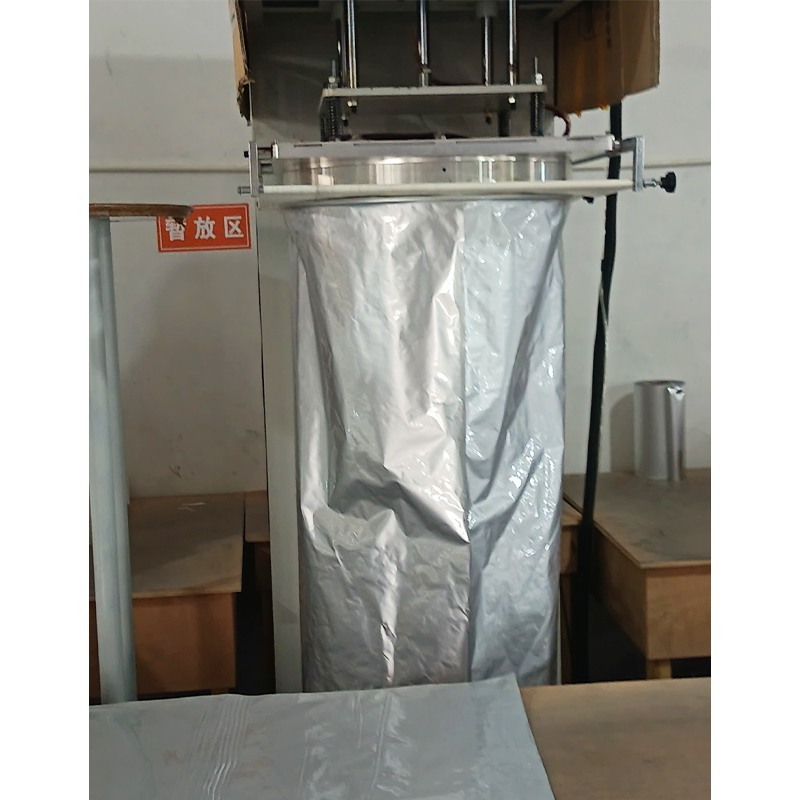



How do film bags effectively protect precision electronic components from electrostatic damage during transportation?
Release Time : 2026-01-21
In modern electronics manufacturing, a tiny integrated circuit, sensor, or chip module, while potentially valuable, is extremely fragile. A single, unintentional touch by a human can generate static electricity that can damage its internal nanoscale circuitry, causing "invisible damage." This damage often doesn't manifest immediately but can lead to intermittent malfunctions or a sudden reduction in product lifespan after it's put into use, resulting in untraceable quality risks. Therefore, antistatic film bags are indispensable "invisible shields" in the storage and transportation of electronic components. They are not simply wrapping; rather, through a precise combination of materials science and structural design, they construct an electrostatic protection system from the inside out, ensuring the safety of sensitive devices in complex logistics environments.
The core of this system lies in its systematic blocking of the entire process of static electricity generation, accumulation, and discharge. Ordinary plastic bags (such as ordinary PE bags) are highly insulating materials, and friction easily generates and accumulates static charge. Once near electronic components, this static electricity is released instantly, forming a destructive electric arc. Professional antistatic film bags address the issue at its source: adding permanent antistatic agents to the substrate (such as PE, CPP, or PET) or coating the surface with a conductive layer to give the film appropriate conductivity. This "controllable conductivity" is key—it avoids the excessive conductivity that can cause short circuits like metals, while rapidly dispersing and conducting the charge generated by friction, preventing localized high-voltage build-up.
A higher level of protection comes from the synergistic effect of multi-layered composite structures. Typical antistatic electronic packaging bags often employ a "three-layer sandwich" design: the outer layer is made of abrasion-resistant and tear-resistant material, providing physical protection; the middle layer is a metal plating (such as vacuum metallization) or conductive polymer, forming a Faraday cage effect to shield against external electrostatic fields and electromagnetic interference; the inner layer is a low-charge, soft-contact antistatic material that directly wraps the components, preventing self-generated static electricity. This structure acts like a miniature "electromagnetic fortress," maintaining a static-safe zone internally regardless of the dryness of the external environment or the frequency of handling.
Furthermore, the durability and environmental adaptability of the material are equally important. High-quality antistatic films use non-migratory additives that do not evaporate or wipe away over time, maintaining stable performance even in low-humidity winter warehouses or high-salt-spray environments during long-haul seams. The bags are heat-sealed securely, with no pinholes or weak points at the seams, preventing static electricity from entering through gaps. Some high-end products also control surface resistivity to ensure the overall structure remains within a safe range of 10⁴–10¹¹ Ω/sq—discharging charge without creating a conductive path.
It's worth noting that appearance and labeling are also part of the functionality. Many antistatic bags use translucent pink, silver-gray, or black, which not only facilitates identification of the contents but also serves as an industry-standard visual signal for ESD protection, reminding operators to handle according to regulations. Some bags also feature ESD protection symbols or warnings, reinforcing awareness of protection throughout the entire process.
Ultimately, the value of an antistatic film bag lies not in its thickness or rigidity, but in its ability to protect the core of the object with an invisible shield. It makes unseen risks manageable, ensuring that the fruits of precision manufacturing remain safe until they reach the end consumer.
Because in the underlying logic of the electronic world, true protection isn't about waiting for damage to occur before detection, but about eliminating risks before they even arise. And that film bag quietly encasing the chip is precisely the lightest yet most robust carrier of this silent protection.
The core of this system lies in its systematic blocking of the entire process of static electricity generation, accumulation, and discharge. Ordinary plastic bags (such as ordinary PE bags) are highly insulating materials, and friction easily generates and accumulates static charge. Once near electronic components, this static electricity is released instantly, forming a destructive electric arc. Professional antistatic film bags address the issue at its source: adding permanent antistatic agents to the substrate (such as PE, CPP, or PET) or coating the surface with a conductive layer to give the film appropriate conductivity. This "controllable conductivity" is key—it avoids the excessive conductivity that can cause short circuits like metals, while rapidly dispersing and conducting the charge generated by friction, preventing localized high-voltage build-up.
A higher level of protection comes from the synergistic effect of multi-layered composite structures. Typical antistatic electronic packaging bags often employ a "three-layer sandwich" design: the outer layer is made of abrasion-resistant and tear-resistant material, providing physical protection; the middle layer is a metal plating (such as vacuum metallization) or conductive polymer, forming a Faraday cage effect to shield against external electrostatic fields and electromagnetic interference; the inner layer is a low-charge, soft-contact antistatic material that directly wraps the components, preventing self-generated static electricity. This structure acts like a miniature "electromagnetic fortress," maintaining a static-safe zone internally regardless of the dryness of the external environment or the frequency of handling.
Furthermore, the durability and environmental adaptability of the material are equally important. High-quality antistatic films use non-migratory additives that do not evaporate or wipe away over time, maintaining stable performance even in low-humidity winter warehouses or high-salt-spray environments during long-haul seams. The bags are heat-sealed securely, with no pinholes or weak points at the seams, preventing static electricity from entering through gaps. Some high-end products also control surface resistivity to ensure the overall structure remains within a safe range of 10⁴–10¹¹ Ω/sq—discharging charge without creating a conductive path.
It's worth noting that appearance and labeling are also part of the functionality. Many antistatic bags use translucent pink, silver-gray, or black, which not only facilitates identification of the contents but also serves as an industry-standard visual signal for ESD protection, reminding operators to handle according to regulations. Some bags also feature ESD protection symbols or warnings, reinforcing awareness of protection throughout the entire process.
Ultimately, the value of an antistatic film bag lies not in its thickness or rigidity, but in its ability to protect the core of the object with an invisible shield. It makes unseen risks manageable, ensuring that the fruits of precision manufacturing remain safe until they reach the end consumer.
Because in the underlying logic of the electronic world, true protection isn't about waiting for damage to occur before detection, but about eliminating risks before they even arise. And that film bag quietly encasing the chip is precisely the lightest yet most robust carrier of this silent protection.