


How should the position and size of the window in a kraft paper window bag be designed to facilitate easy viewing and retrieval of products?
Release Time : 2026-03-24
As a packaging format that combines practicality and display, the design of the window position and size of the kraft paper window bag must revolve around product characteristics, user operating habits, and the overall function of the packaging, achieving the goal of convenient viewing and retrieval through scientific planning. This process requires comprehensive consideration of the product's shape, size, weight, usage scenario, and packaging protection needs, ensuring that the window design clearly presents the product while avoiding operational difficulties or packaging damage due to unreasonable structure.
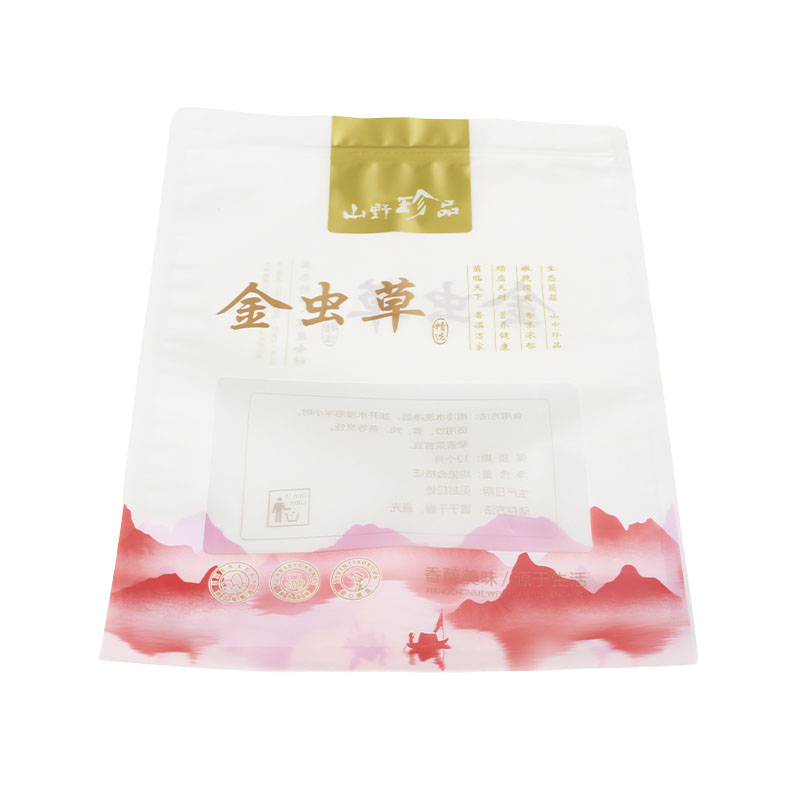
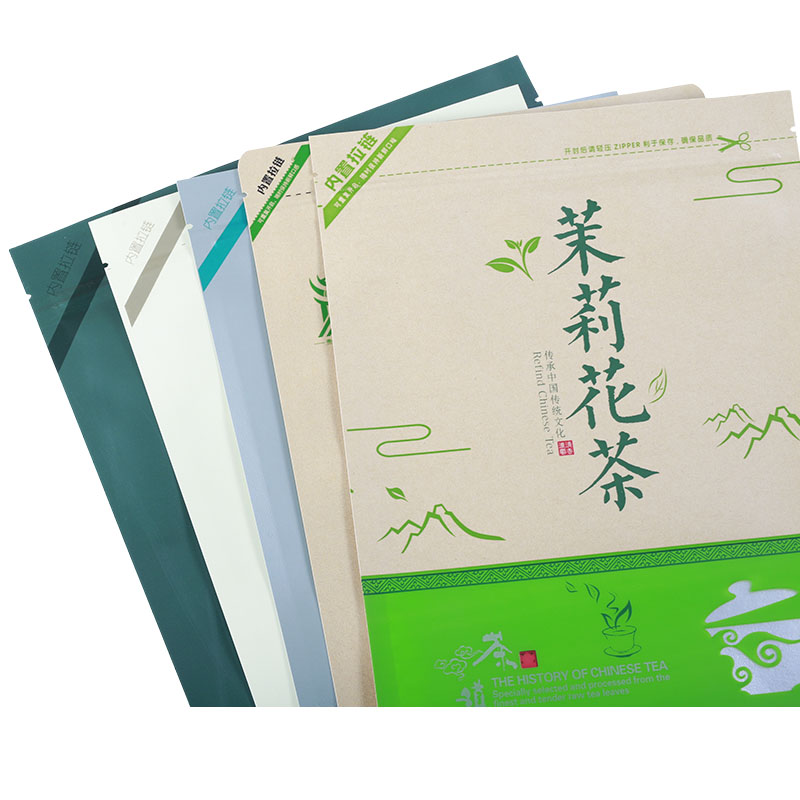
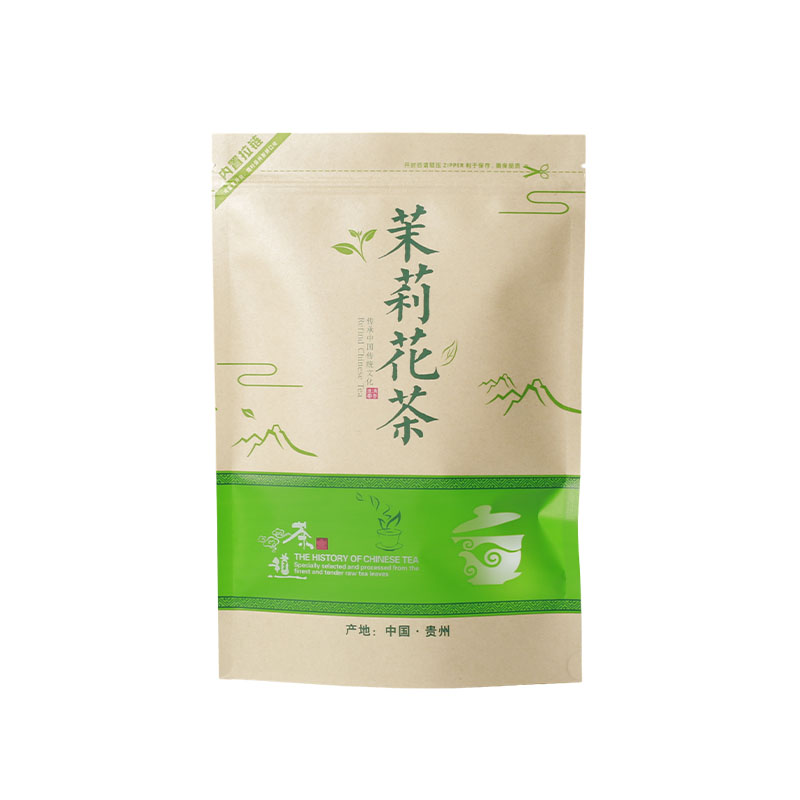
The window position design must be centered on product display needs. For products with regular shapes and stable centers of gravity, such as biscuits and tea, the window is usually placed in the center of the front of the packaging or near the top, allowing consumers to see the entire product or key information at a glance when on the shelf. For example, a window in the center of tea packaging can clearly display the color and shape of the tea, enhancing the desire to buy; while for products that are long or irregularly shaped, such as chocolate bars or handmade soaps, the window position needs to be adjusted according to the product's display method, ensuring that regardless of how the packaging is displayed, the window is aligned with the main display surface of the product, avoiding incomplete information transmission due to viewing angle deviation.
The window size design must balance the display effect and packaging strength. While overly large windows can improve product visibility, they weaken the load-bearing capacity and tear resistance of the kraft paper, increasing the risk of packaging damage. Conversely, overly small windows may limit the display area, failing to meet consumers' needs for observing product details. Therefore, window size must be determined based on product size and the overall packaging structure. For example, for small snack packaging, the window area can occupy 30% to 50% of the front area, clearly displaying the product while retaining sufficient kraft paper area to maintain packaging strength. For fragile or heavy products, the window size needs to be appropriately reduced, and the loss of strength can be compensated for by thickening the kraft paper or adding internal support structures.
The design of the window shape must coordinate with the product form and brand style. Common rectangular windows are simple and practical, suitable for most products; round windows can soften the rigidity of the packaging, adding a gentle atmosphere, and are often used for children's food or women's product packaging; irregularly shaped windows, such as hearts and stars, can attract consumers' attention through unique shapes, strengthening brand recognition. For example, if children's candy packaging uses cartoon animal-shaped windows, it can not only stimulate children's interest but also enhance the packaging's fun through the window's correspondence with the product form. Furthermore, the treatment of the window edges on kraft paper window bags is equally important. Smooth cuts or rounded corners prevent finger cuts and improve safety.
The coordinated design of the window and packaging opening is key to improving ease of access. If the packaging uses a stand-up pouch or zippered pouch, the window position must match the opening direction to ensure that consumers can directly see the product when opening the packaging, reducing the need for searching. For example, if the window of a stand-up pouch is located at the bottom front and the opening is at the top, consumers must pour the product out to view it after opening the packaging. However, if both the window and opening are on the front, the product can be directly observed through the window before deciding whether to take it, avoiding unnecessary operations. Additionally, for packaging that needs to be repeatedly opened and closed, the window position should also consider the location of the sealing strip or zipper to avoid difficulty in opening and closing due to window obstruction.
The choice of transparent film for the window directly affects the product display effect and the packaging's protective performance. Common transparent film materials include PET, PVC, and OPP. PET film boasts high transparency, scratch resistance, and aging resistance, maintaining a clear window for a long time. PVC film is flexible and easy to process, suitable for applying to irregularly shaped windows. OPP film is less expensive, but its transparency and weather resistance are slightly weaker. Material selection must be based on product characteristics and usage scenarios. For example, food packaging requires food-grade transparent film to ensure it is non-toxic and harmless; while products exposed to sunlight for extended periods require materials with strong UV resistance to prevent fading or deterioration due to light exposure.
Detailed window design can significantly enhance the user experience. For example, adding indentations or perforated lines to the window edges makes it easier for consumers to tear open the packaging; or applying a scratch-resistant coating to the inside of the window protects the product surface; for moisture-sensitive products, breathable yet waterproof film materials can be used to balance display and protection needs. Furthermore, the combination of the window and packaging design requires careful planning to avoid obscuring key information and compromising the overall packaging effect.
The design of the window position and size of a kraft paper window bag must be user-oriented, achieving a balance between display, protection, and operation through scientific planning. From location selection, size determination, and shape design to material selection and detail processing, every step must revolve around product characteristics and usage scenarios to ensure that the window not only clearly presents the product but also enhances the practicality and aesthetics of the packaging, ultimately providing consumers with a convenient and comfortable shopping and usage experience.